Menu
"Memories Alter."
"Memories Alter."
"Memories Alter."
To remain physically close to someone while feeling them begin to recede. Illness changes that closeness slowly, often invisibly. The body is still present, but the person I know becomes harder to reach, pulled inward by cancer, treatment, exhaustion, and the quiet distance that begins to form around them.
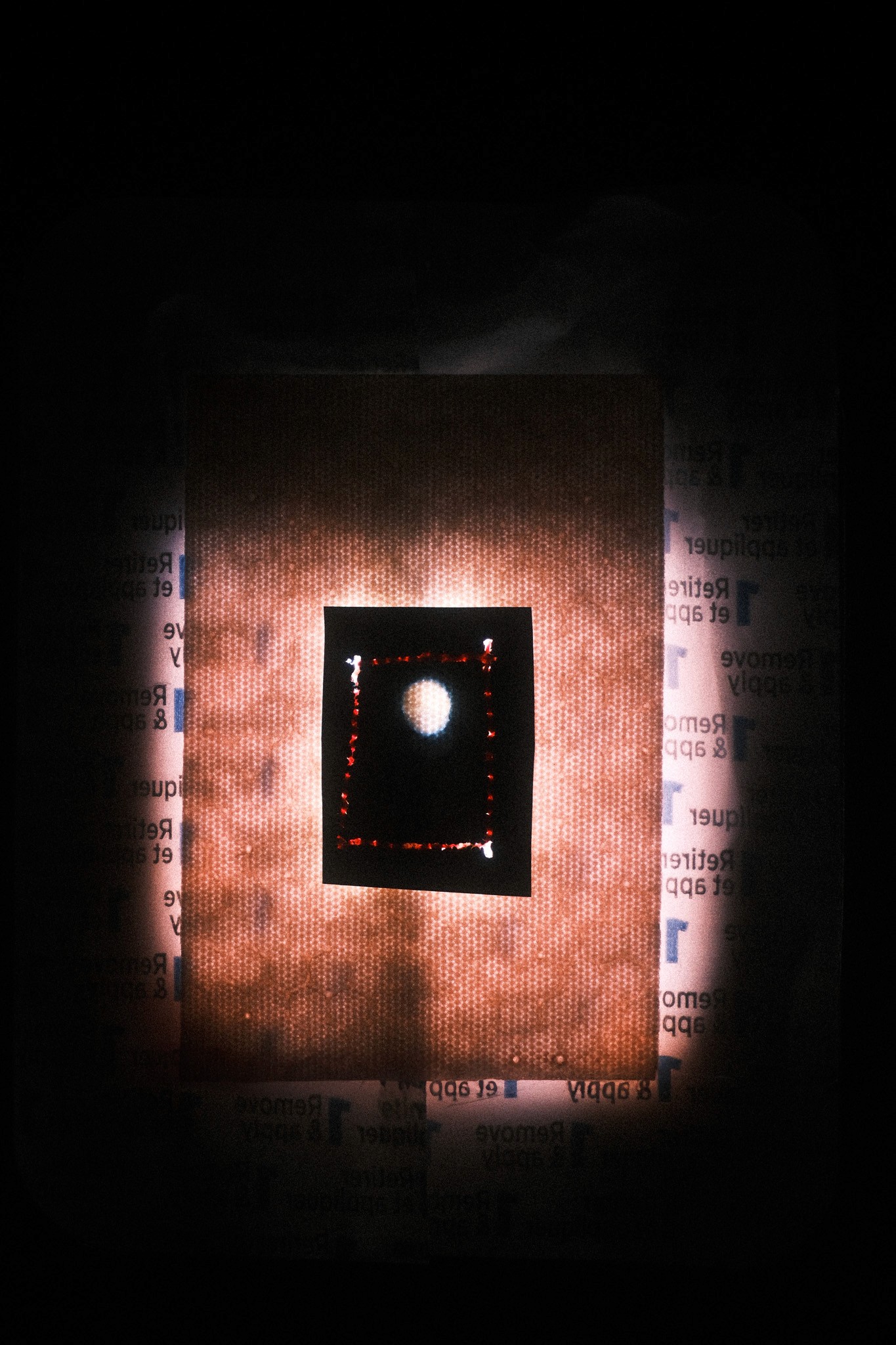
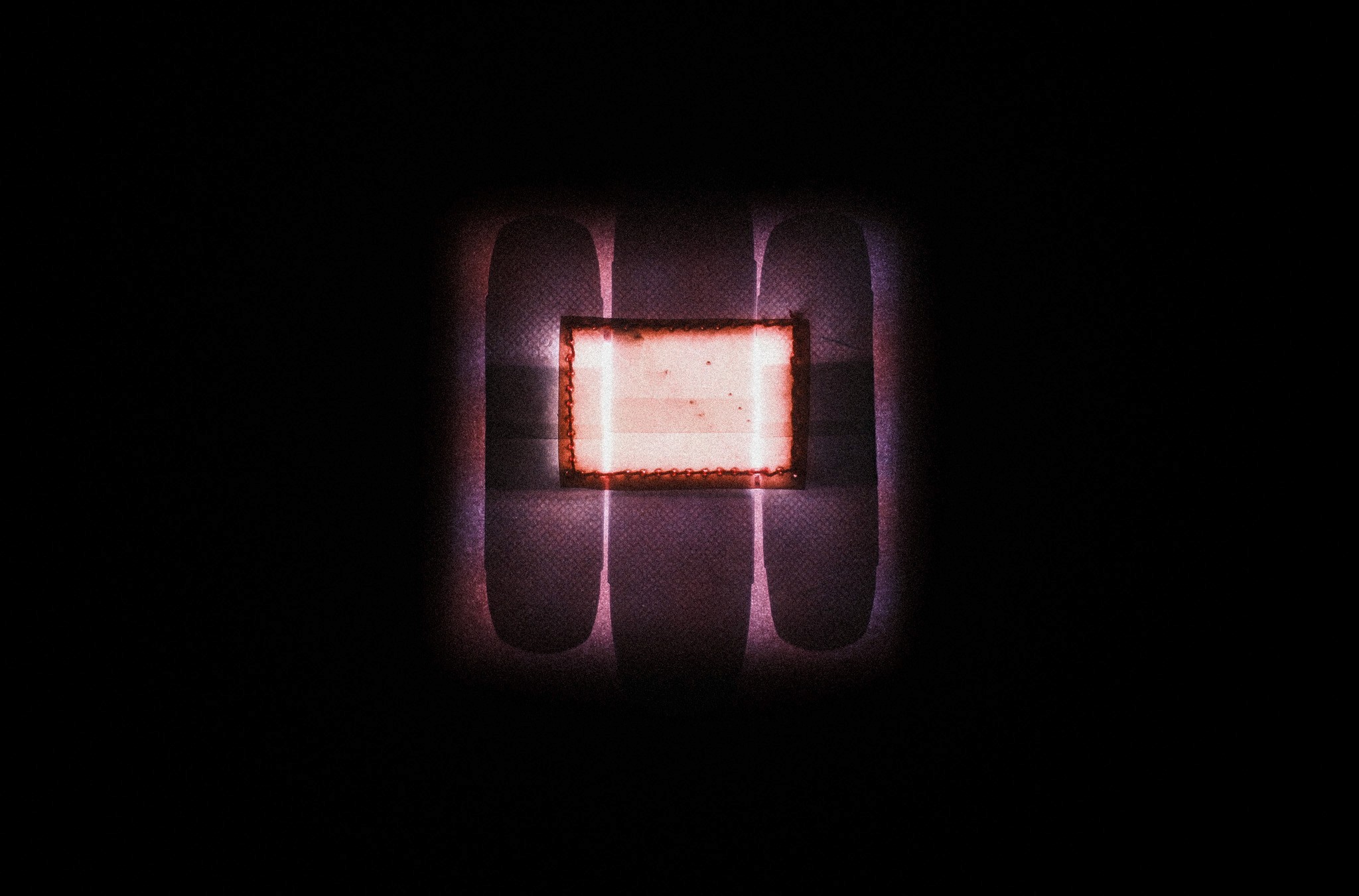
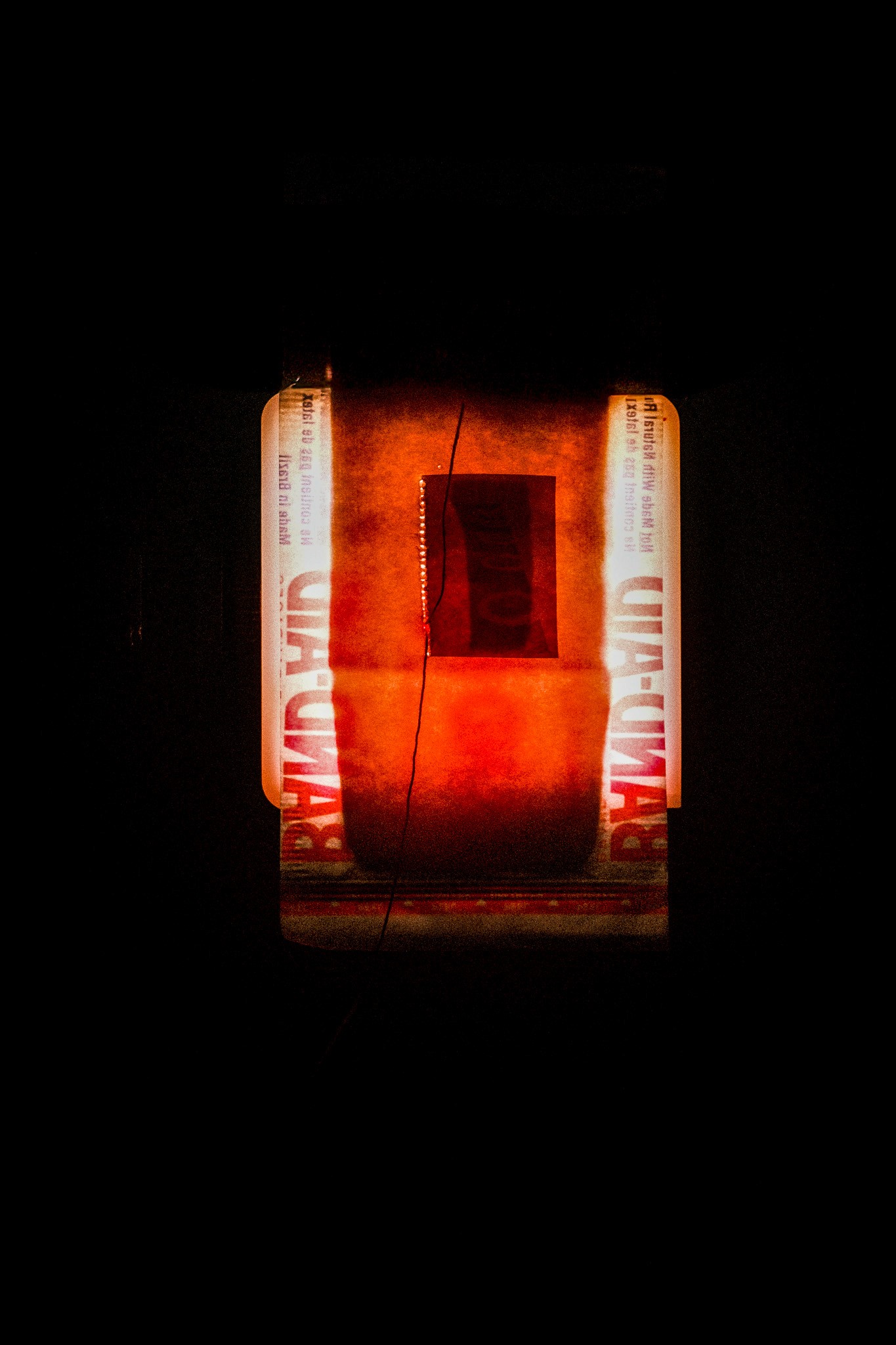
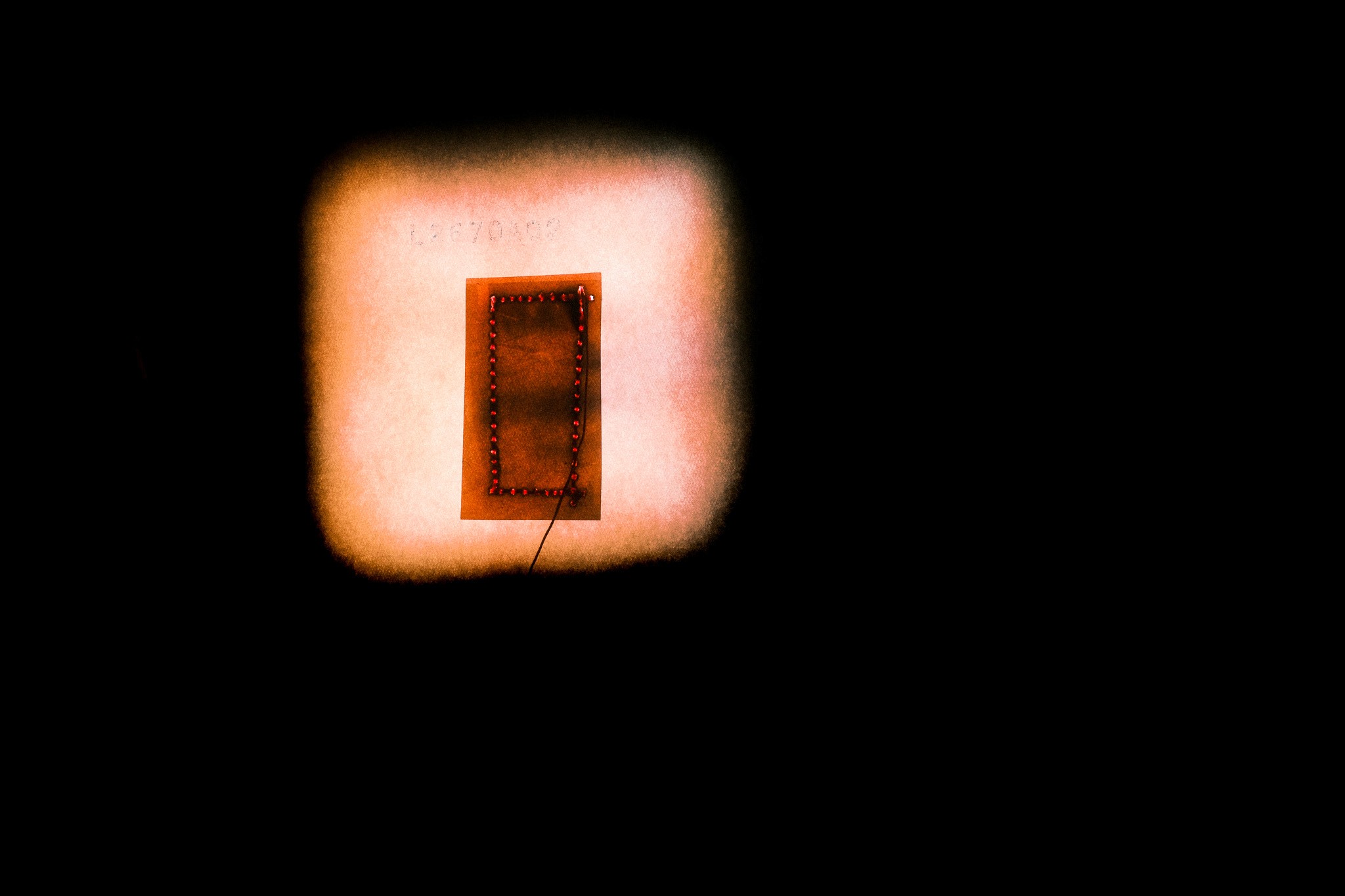
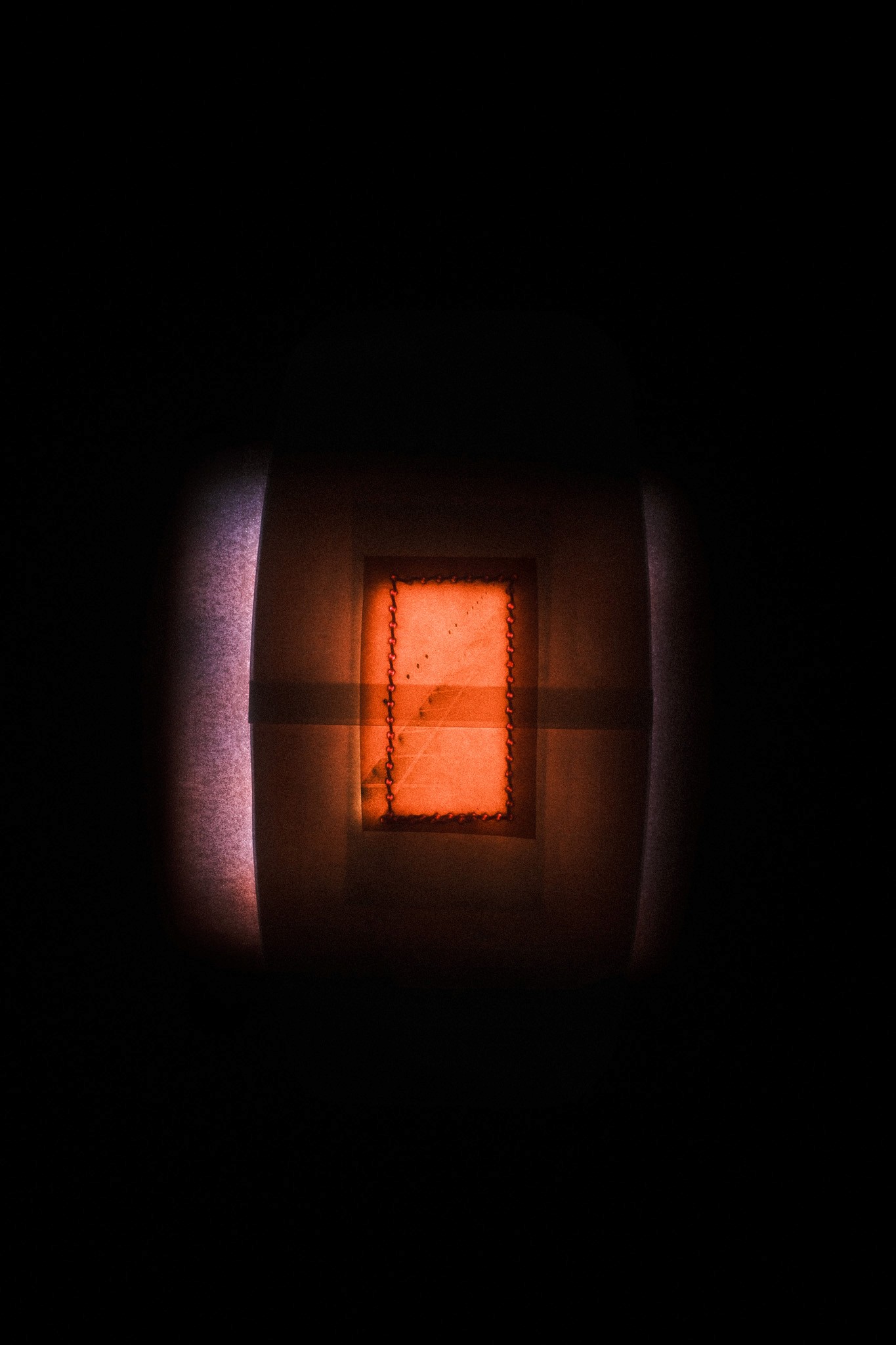
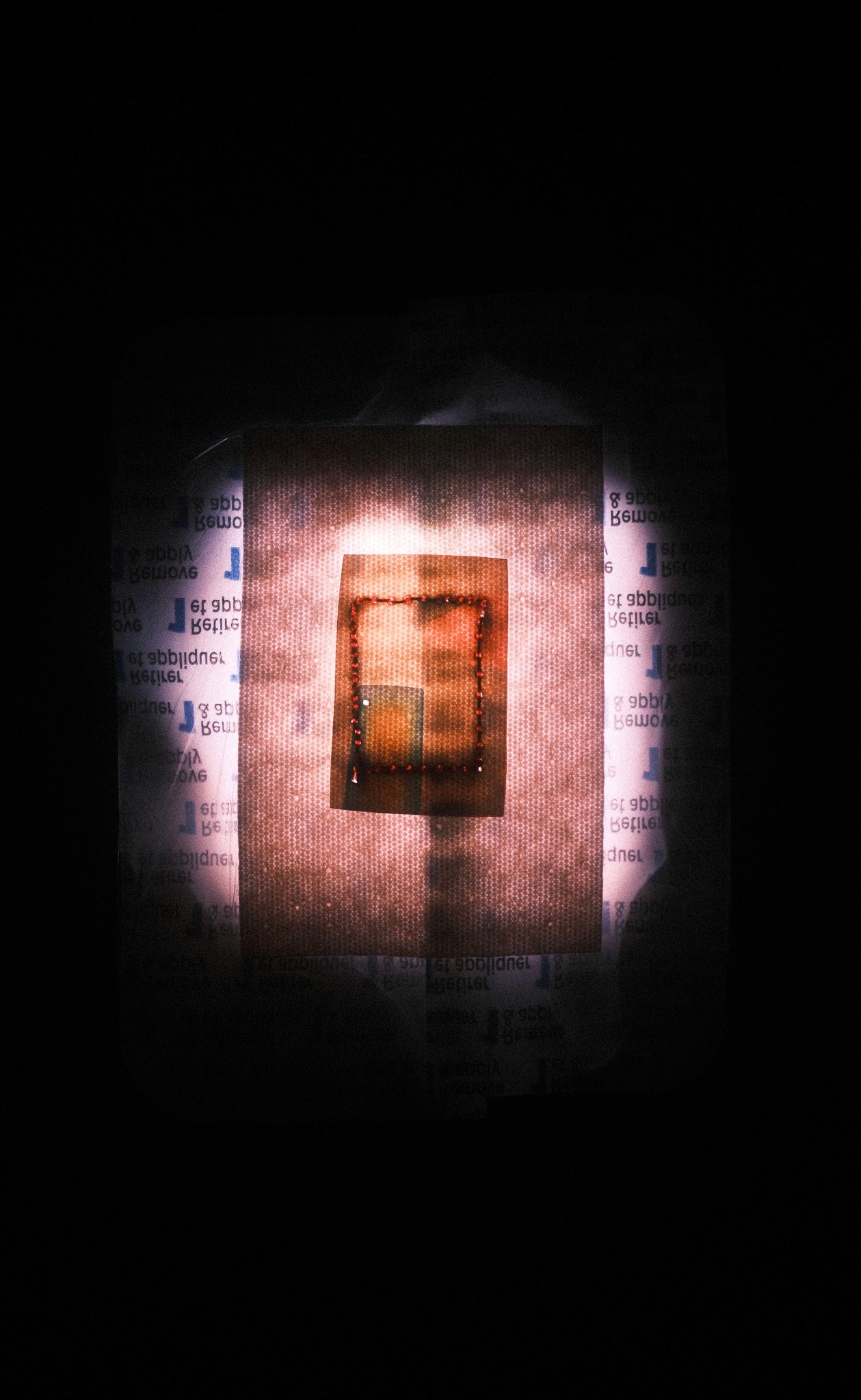
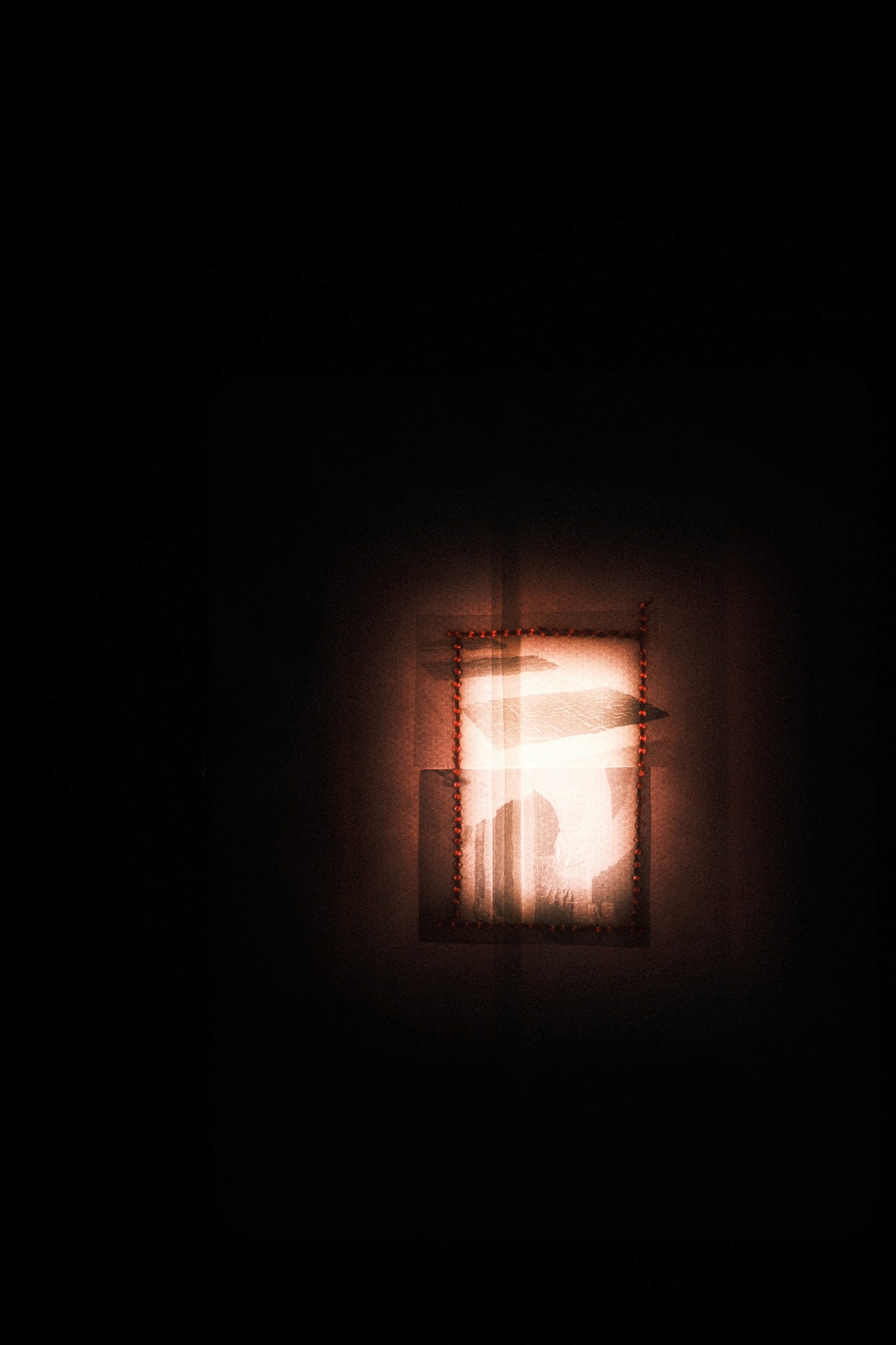
Medical imagery moves through the work. Alongside them are fragments of memory: shared hobbies, familiar places, small moments that once felt ordinary and complete. They remain recognizable, but their meaning shifts. They no longer fit together in quite the same way.
I began making the work while spending time with my Mom during chemo treatment and noticing changes that were difficult to describe directly. Her gaze sometimes seemed distant or unfixed, as if part of her attention had moved somewhere I could not follow. I was still in the room with her, still looking at the same person, but the relationship between presence and absence had begun to change.
The work became less about documenting illness itself and more about trying to understand that gradual separation; how someone can still be beside you while becoming increasingly difficult to reach, and how memory begins to take on more weight even before a person is gone.
To remain physically close to someone while feeling them begin to recede. Illness changes that closeness slowly, often invisibly. The body is still present, but the person I know becomes harder to reach, pulled inward by cancer, treatment, exhaustion, and the quiet distance that begins to form around them.
Medical imagery moves through the work. Alongside them are fragments of memory: shared hobbies, familiar places, small moments that once felt ordinary and complete. They remain recognizable, but their meaning shifts. They no longer fit together in quite the same way.
I began making the work while spending time with my Mom during chemo treatment and noticing changes that were difficult to describe directly. Her gaze sometimes seemed distant or unfixed, as if part of her attention had moved somewhere I could not follow. I was still in the room with her, still looking at the same person, but the relationship between presence and absence had begun to change.
The work became less about documenting illness itself and more about trying to understand that gradual separation; how someone can still be beside you while becoming increasingly difficult to reach, and how memory begins to take on more weight even before a person is gone.
To remain physically close to someone while feeling them begin to recede. Illness changes that closeness slowly, often invisibly. The body is still present, but the person I know becomes harder to reach, pulled inward by cancer, treatment, exhaustion, and the quiet distance that begins to form around them.
Medical imagery moves through the work. Alongside them are fragments of memory: shared hobbies, familiar places, small moments that once felt ordinary and complete. They remain recognizable, but their meaning shifts. They no longer fit together in quite the same way.
I began making the work while spending time with my Mom during chemo treatment and noticing changes that were difficult to describe directly. Her gaze sometimes seemed distant or unfixed, as if part of her attention had moved somewhere I could not follow. I was still in the room with her, still looking at the same person, but the relationship between presence and absence had begun to change.
The work became less about documenting illness itself and more about trying to understand that gradual separation; how someone can still be beside you while becoming increasingly difficult to reach, and how memory begins to take on more weight even before a person is gone.