Menu
Menu
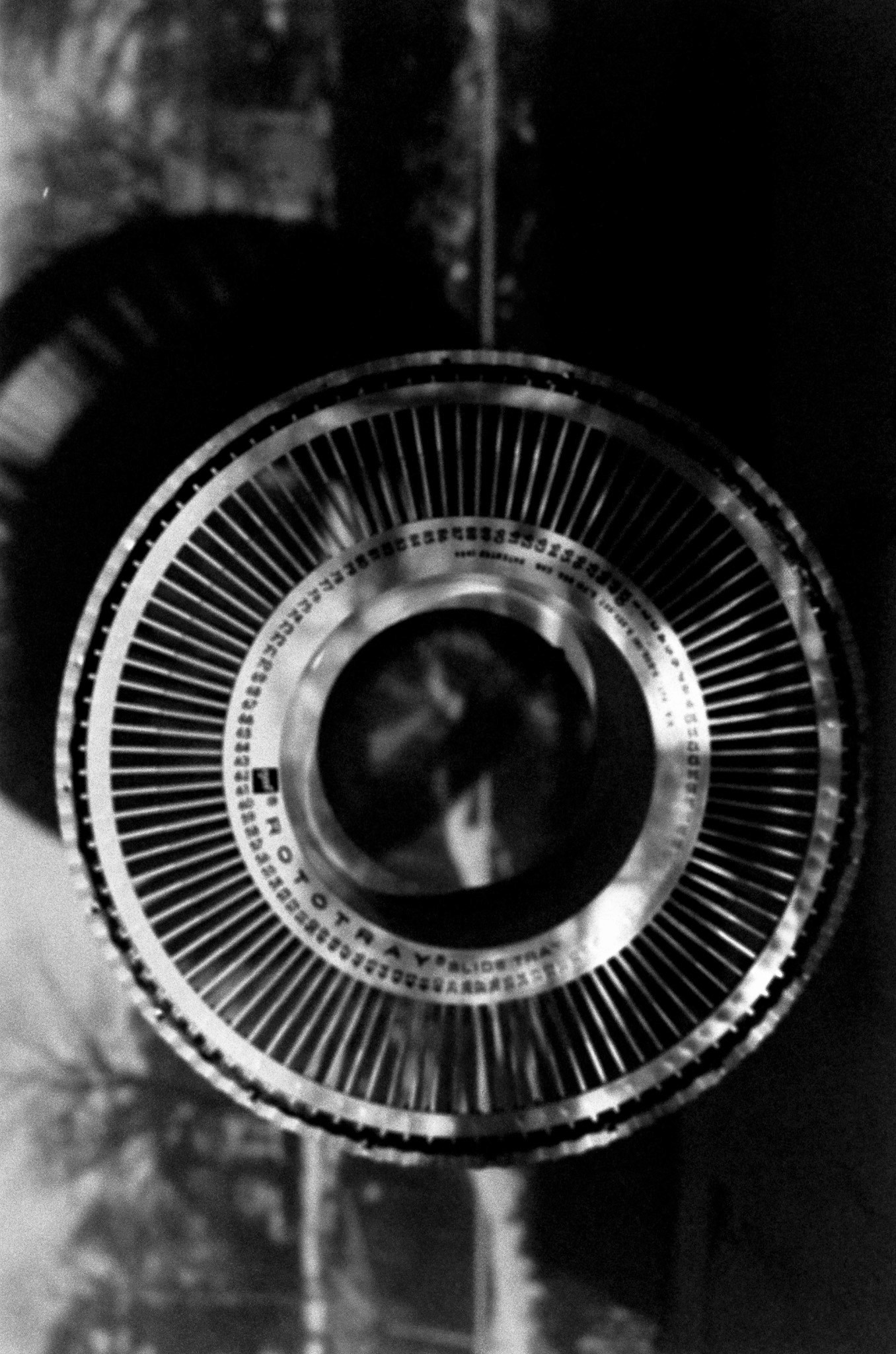
How to Burn a Memory explores trauma and its manifestations as a physical entity—encoded in DNA and passed between generations. The series draws on epigenetics research suggesting that this inheritance is more than psychological: it can alter gene expression itself, embedding a parent's or grandparent's experiences at a cellular level. Working with my late grandfather’s Super 8 films and color-slide photographs, the series re-projects, re-contextualizes and transforms the archival material to make visible the distortion that occurs when memory travels through a body, a generation, a bloodline.
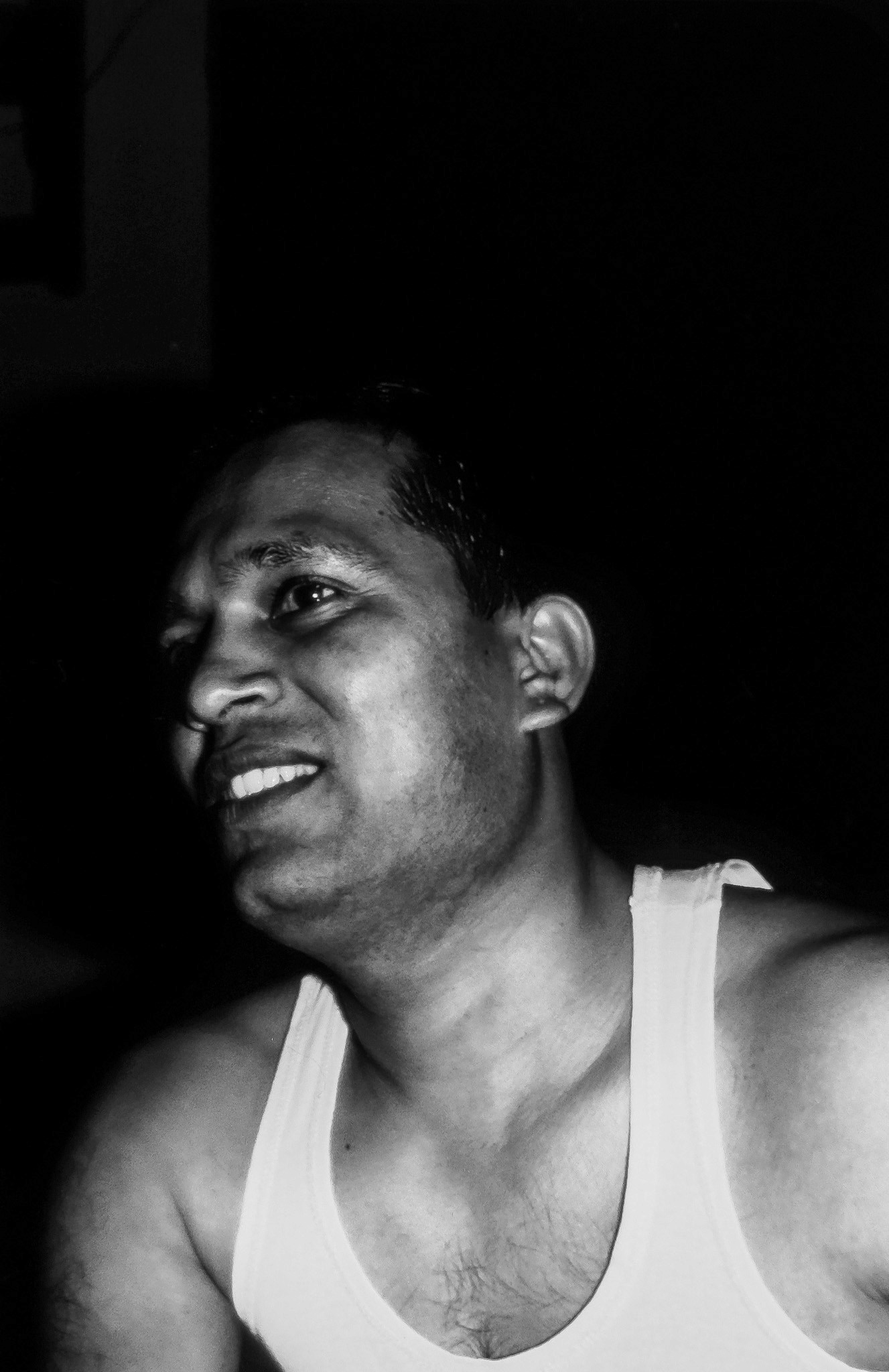
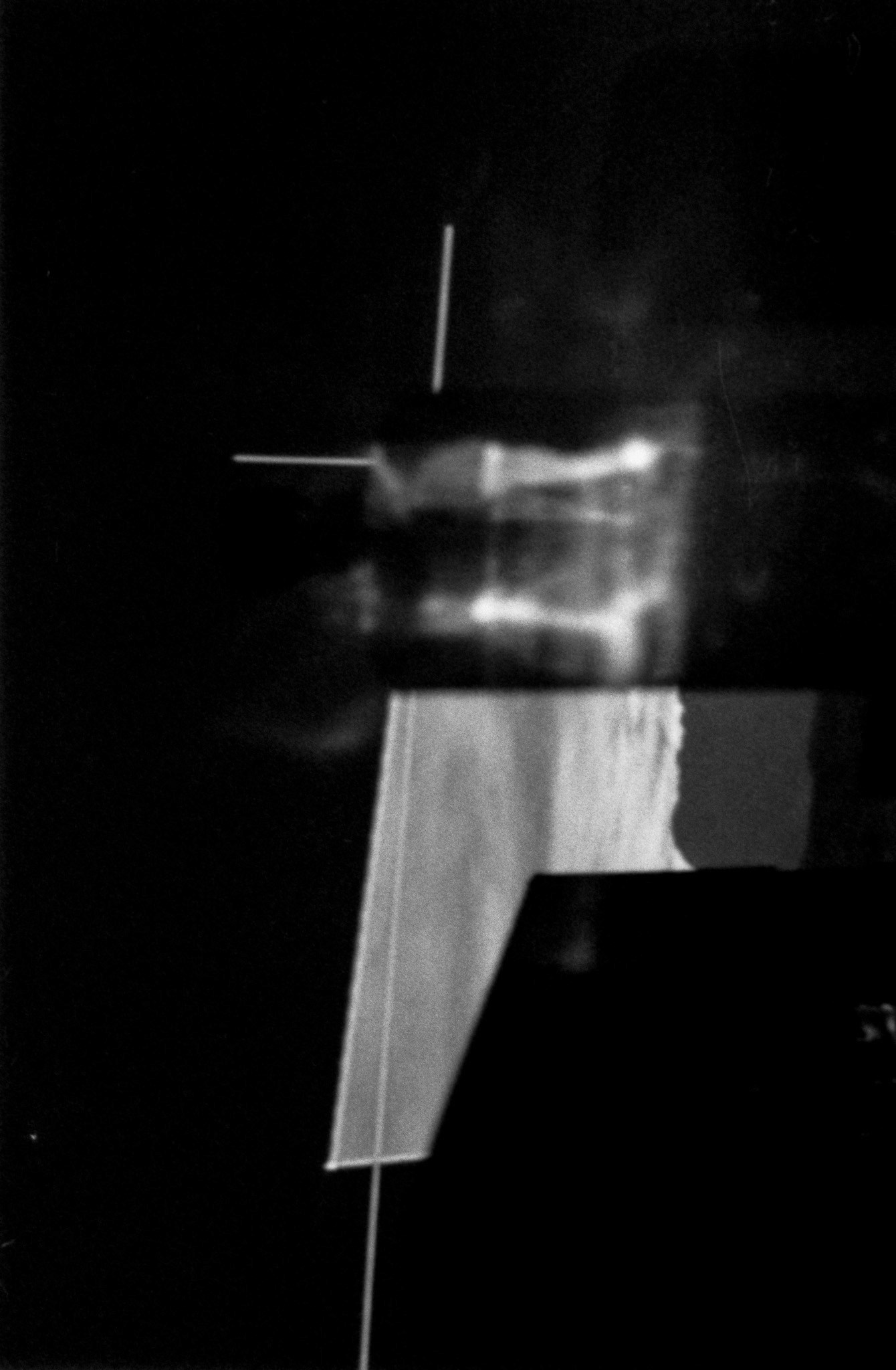
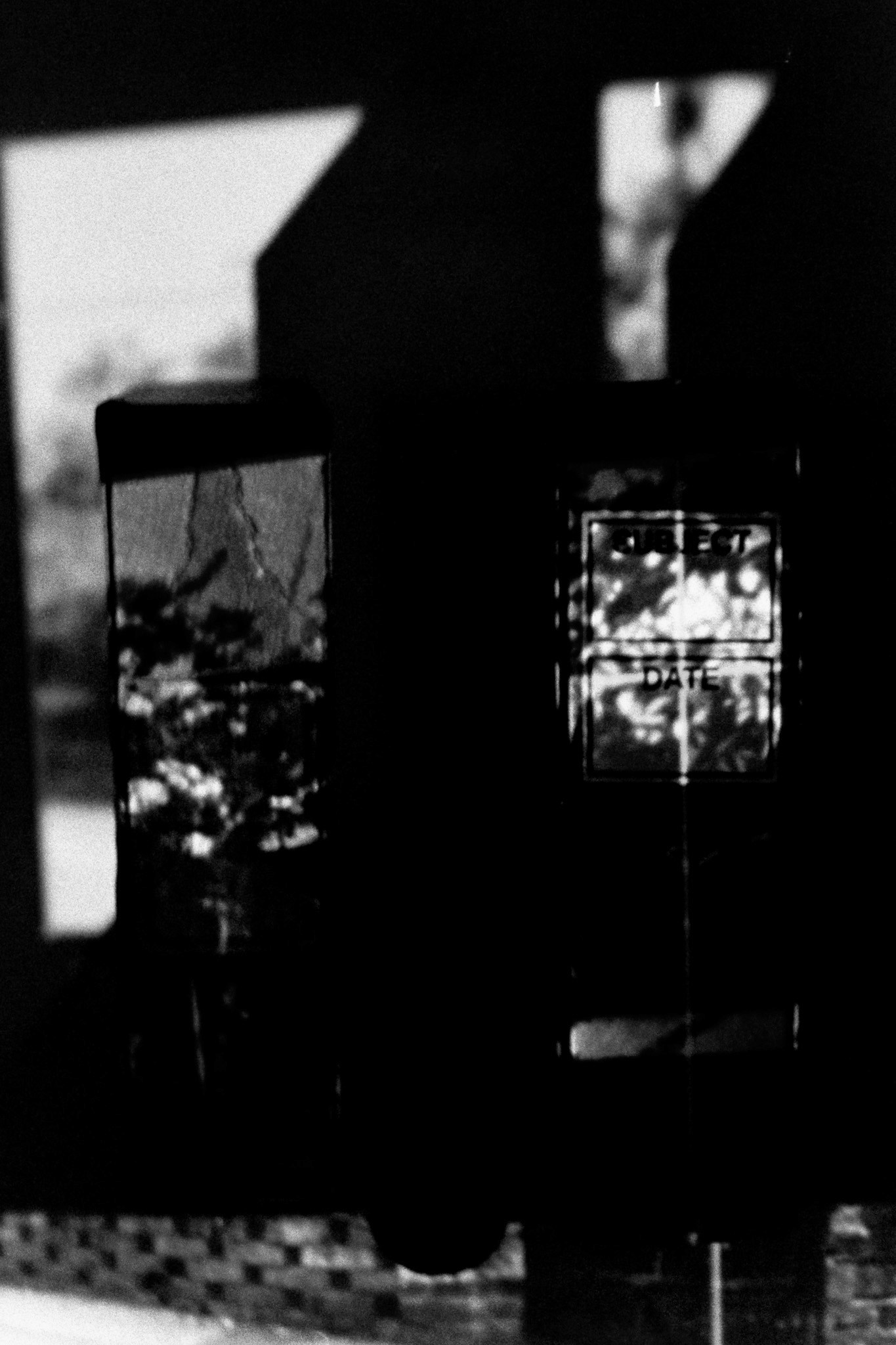
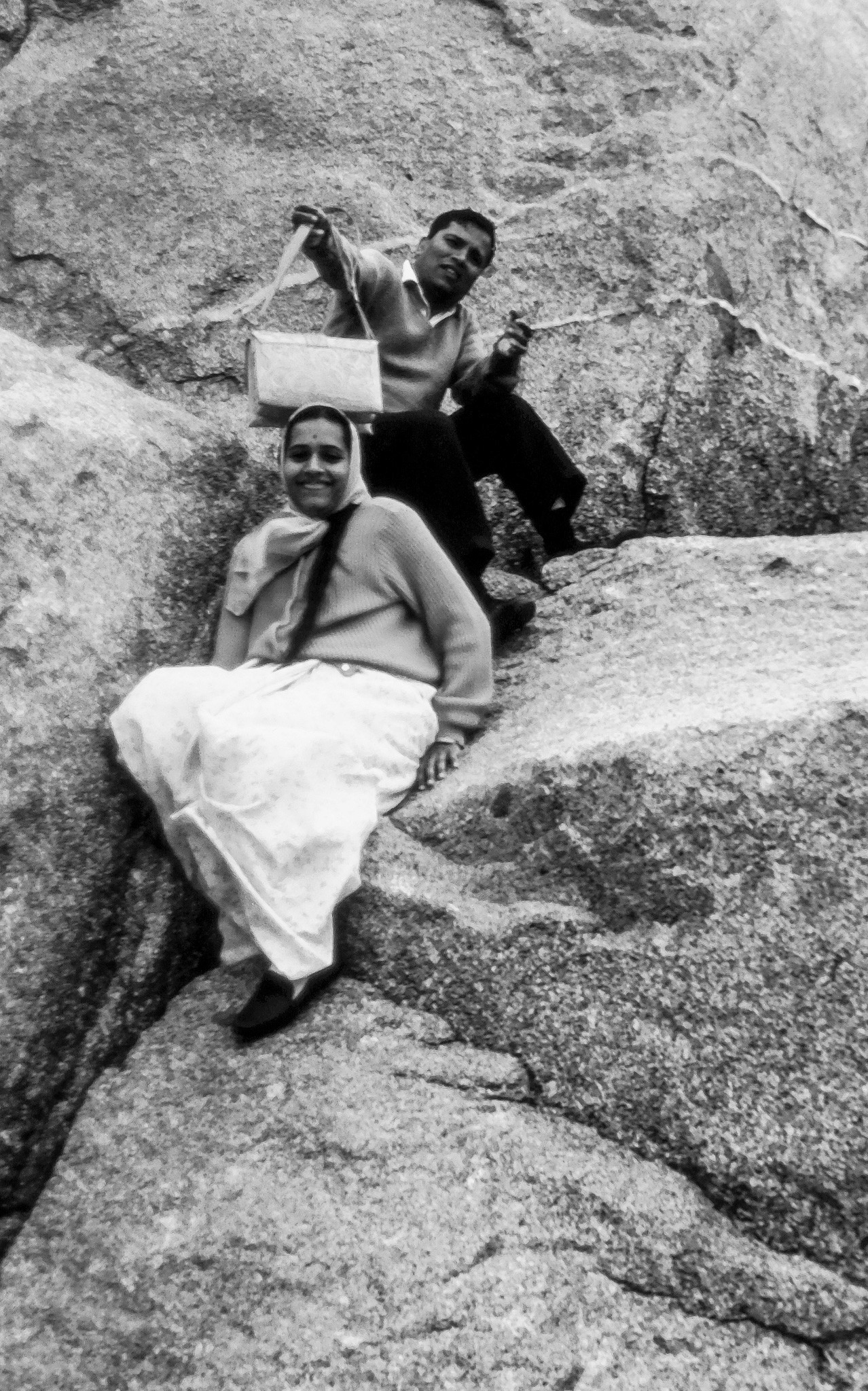
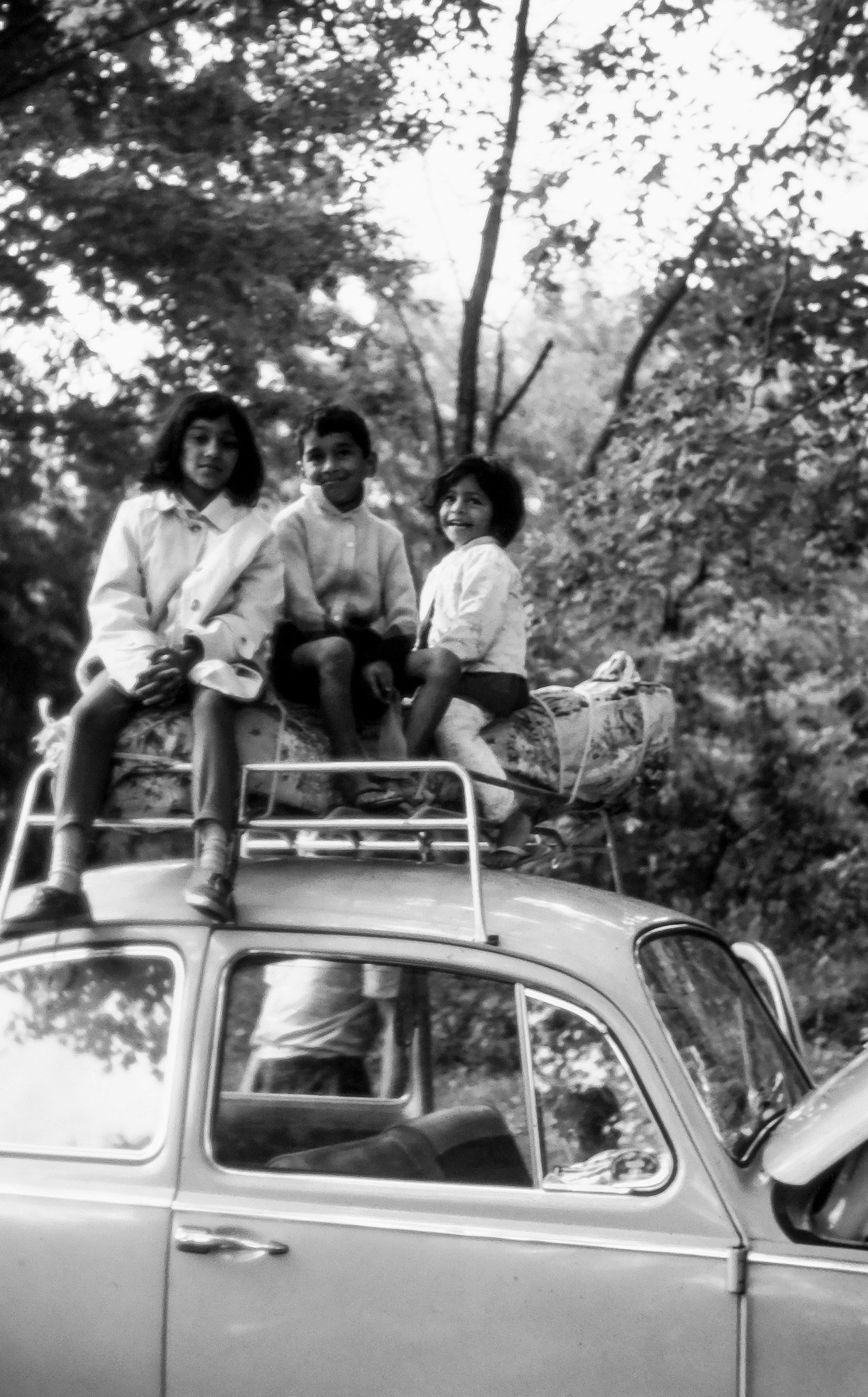
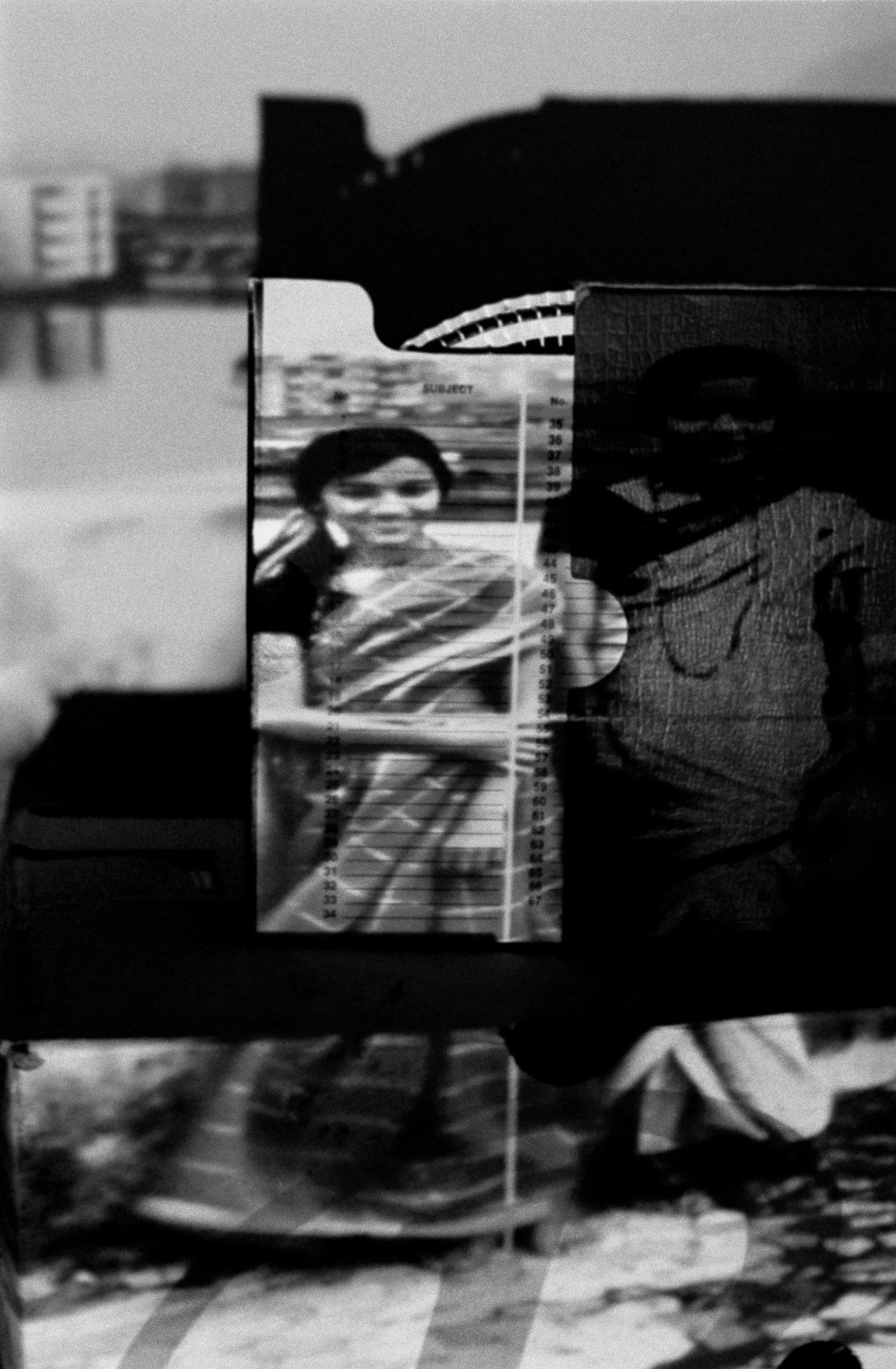
Now, my grandfather was a temperamental and difficult man. His outbursts shaped my mother's sense of self; alcohol became one way she managed this distortion, perpetuating its anxiety inducing effects on myself. However, epigenetics suggests causation that moves in both directions: the same gene expression that primes me for anxiety likely primed them. Their harmful behavior was not random. It came from nervous systems wired to overreact, passed down and compounded across three generations.
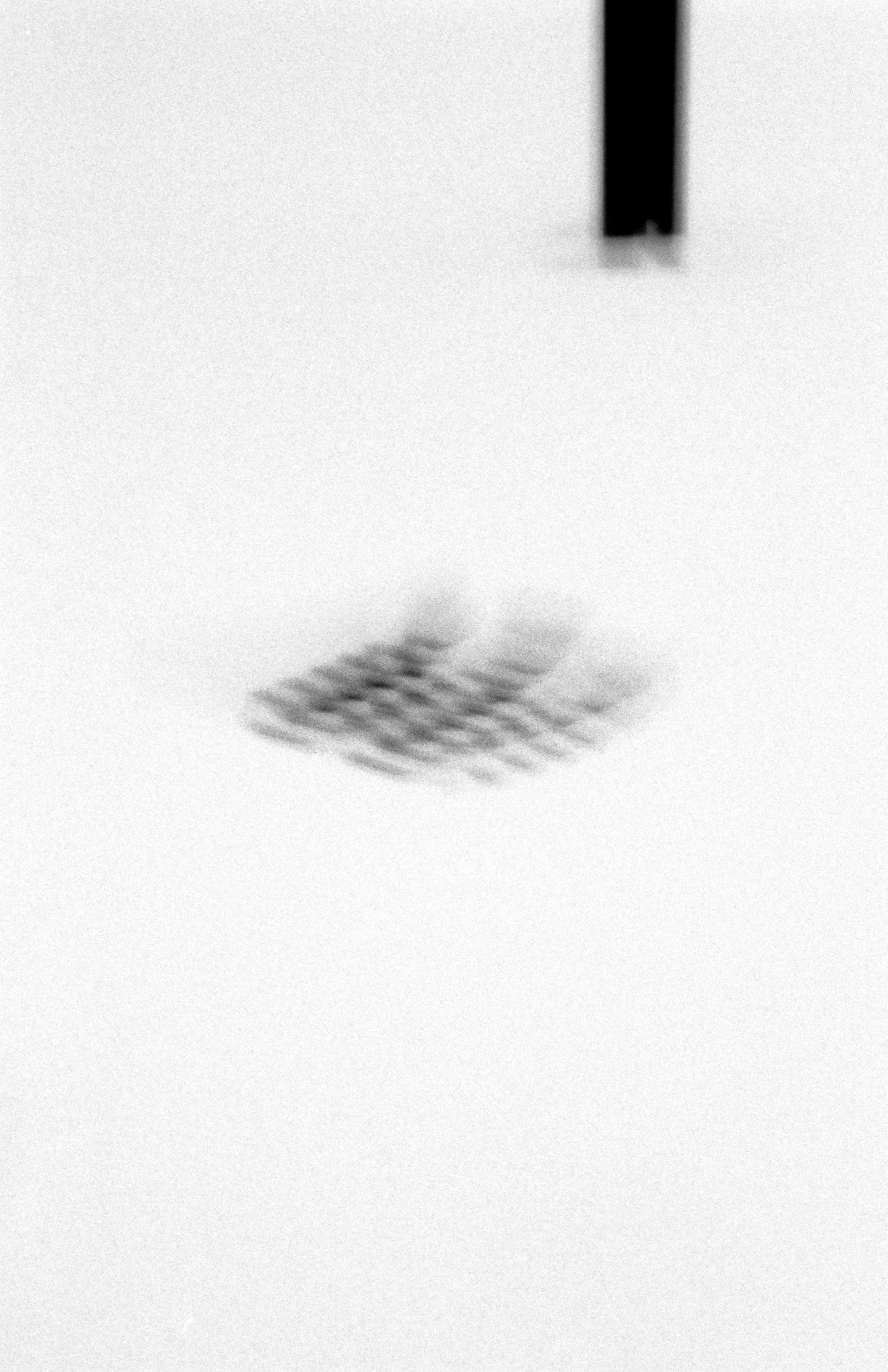
The original footage—decades of material no one in the family had seen in over fifty years—shows familiar places filmed by a man each of us knew differently. The abstractions press that familiarity through a second transformation: light bent across physical surfaces, the image losing fidelity the way memory does as it passes from one body to the next. When I showed both the source material and the new work to my mother, her reaction confirmed what the project proposes—the anxiety we inherited is biologically the same, but our memories of the man who carried it are not.
Now, my grandfather was a temperamental and difficult man. His outbursts shaped my mother's sense of self; alcohol became one way she managed this distortion, perpetuating its anxiety inducing effects on myself. However, epigenetics suggests causation that moves in both directions: the same gene expression that primes me for anxiety likely primed them. Their harmful behavior was not random. It came from nervous systems wired to overreact, passed down and compounded across three generations.
The original footage—decades of material no one in the family had seen in over fifty years—shows familiar places filmed by a man each of us knew differently. The abstractions press that familiarity through a second transformation: light bent across physical surfaces, the image losing fidelity the way memory does as it passes from one body to the next. When I showed both the source material and the new work to my mother, her reaction confirmed what the project proposes—the anxiety we inherited is biologically the same, but our memories of the man who carried it are not.
THE SPACE
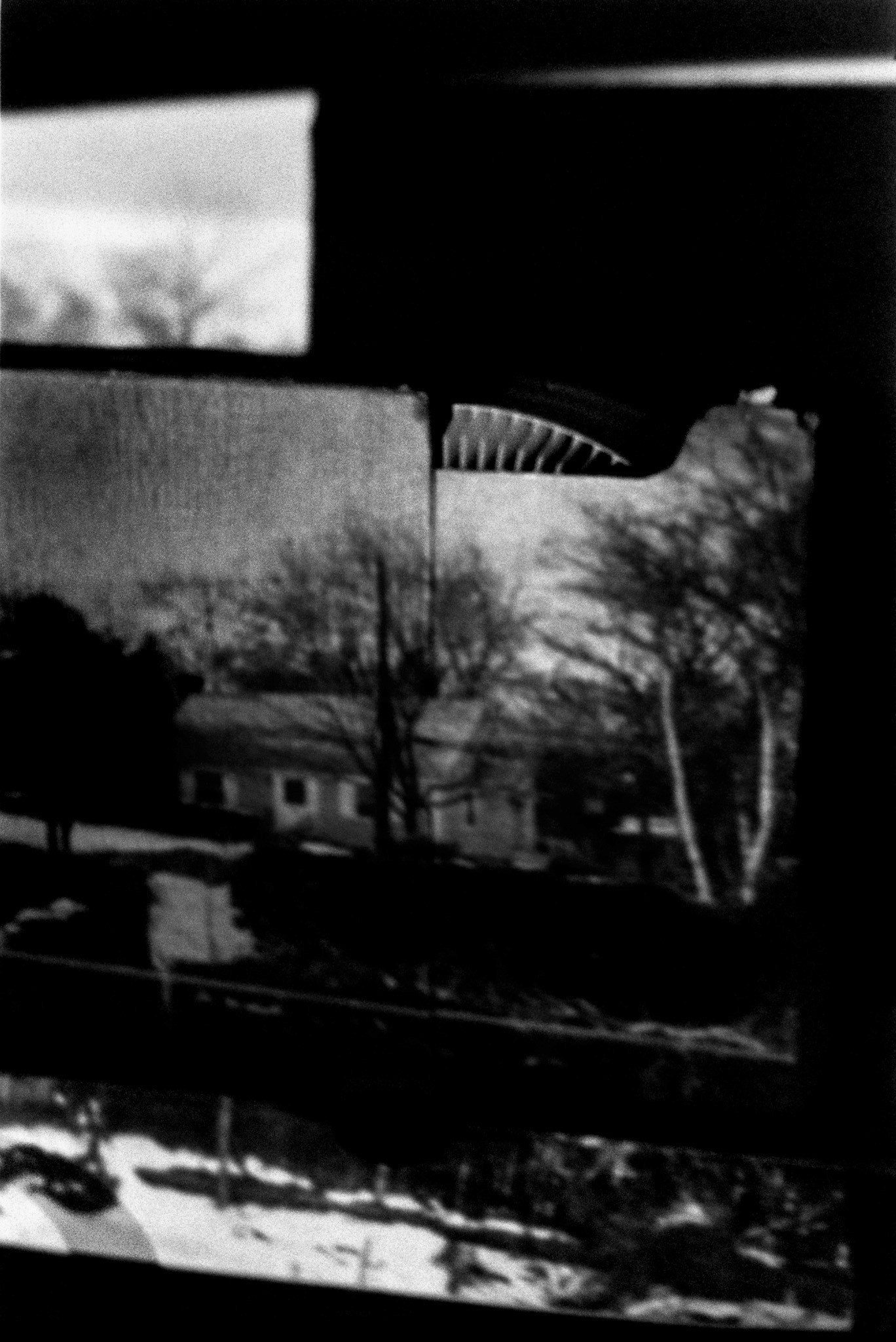
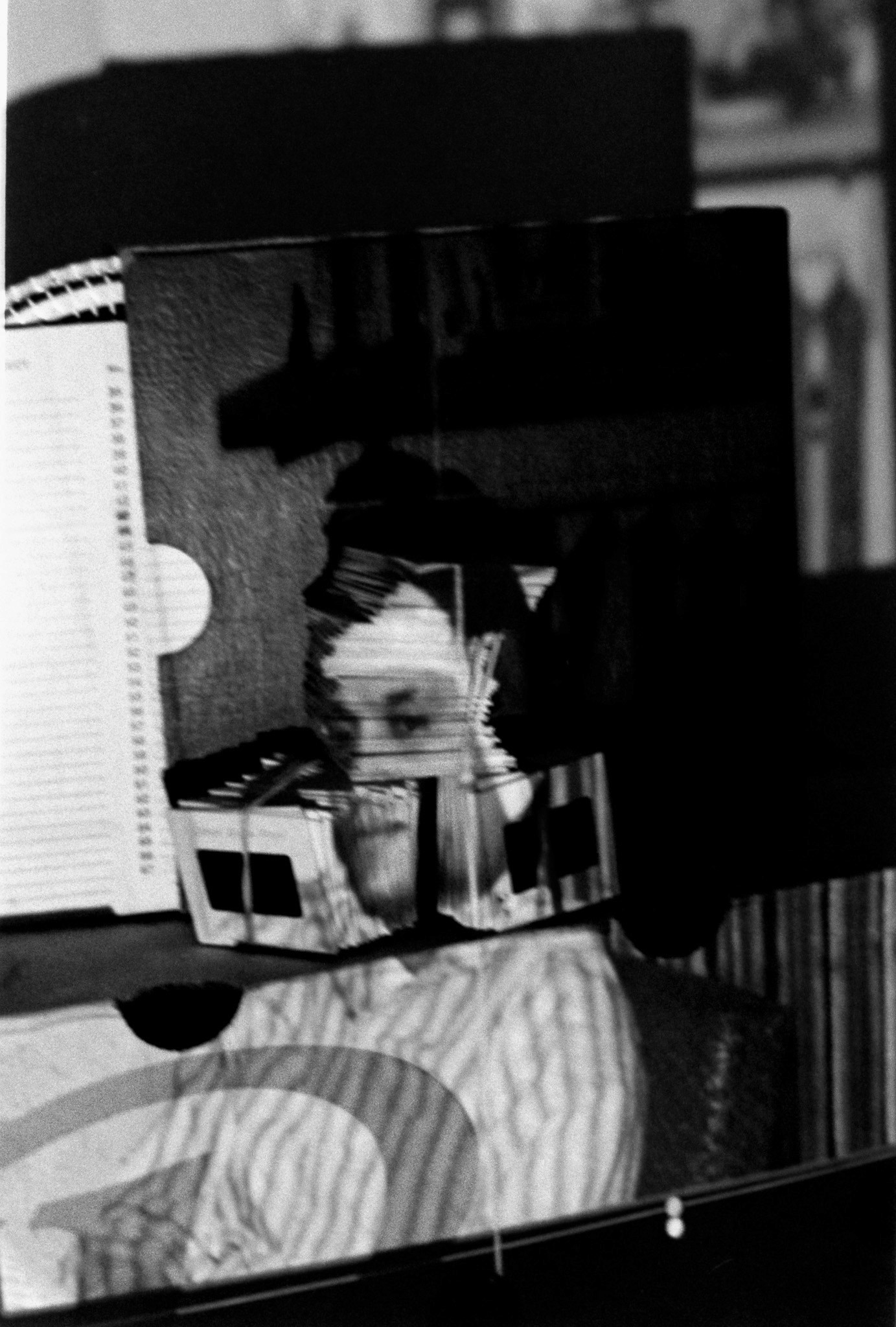
At least seven large-format transparency prints hang from the ceiling on invisible wires—each around five feet tall in a 3x2 aspect ratio. They hold images from the archive and images made from the archive: abstracted re-projected footage. Spotlights illuminate them from both front and back, with the light direction changing on a timer. As the lighting shifts, the transparencies transform. The images appear to breathe, never settling into a fixed presentation.
A projector displays Super 8 film from the archive, casting footage through the corridor and beyond—onto walls and floors outside the exhibition's boundaries. As visitors move past, their bodies interrupt the light. Fragments from different eras drift into partial alignment before separating again. The projection spills past containment.
At the center of the space, a hand-built device threads Super 8 film through a mechanism that weaves and unweaves in continuous motion. Light passes through the celluloid, projecting shifting images and casting shadows across the room. Patterns move across surfaces, dissolve, and reform as the film cycles.
Finally, viewers are prompted to stare at one image for at least one minute and then turn toward a large white square on the back wall. The afterimage—burned temporarily into the retina—appears on the white surface, visible only to the person who looked. It exists nowhere but in their own perception.
THE SPACE
At least seven large-format transparency prints hang from the ceiling on invisible wires—each around five feet tall in a 3x2 aspect ratio. They hold images from the archive and images made from the archive: abstracted re-projected footage. Spotlights illuminate them from both front and back, with the light direction changing on a timer. As the lighting shifts, the transparencies transform. The images appear to breathe, never settling into a fixed presentation.
A projector displays Super 8 film from the archive, casting footage through the corridor and beyond—onto walls and floors outside the exhibition's boundaries. As visitors move past, their bodies interrupt the light. Fragments from different eras drift into partial alignment before separating again. The projection spills past containment.
At the center of the space, a hand-built device threads Super 8 film through a mechanism that weaves and unweaves in continuous motion. Light passes through the celluloid, projecting shifting images and casting shadows across the room. Patterns move across surfaces, dissolve, and reform as the film cycles.
Finally, viewers are prompted to stare at one image for at least one minute and then turn toward a large white square on the back wall. The afterimage—burned temporarily into the retina—appears on the white surface, visible only to the person who looked. It exists nowhere but in their own perception.
How to Burn a Memory explores trauma and its manifestations as a physical entity—encoded in DNA and passed between generations. The series draws on epigenetics research suggesting that this inheritance is more than psychological: it can alter gene expression itself, embedding a parent's or grandparent's experiences at a cellular level. Working with my late grandfather’s Super 8 films and color-slide photographs, the series re-projects, re-contextualizes and transforms the archival material to make visible the distortion that occurs when memory travels through a body, a generation, a bloodline.
Now, my grandfather was a temperamental and difficult man. His outbursts shaped my mother's sense of self; alcohol became one way she managed this distortion, perpetuating its anxiety inducing effects on myself. However, epigenetics suggests causation that moves in both directions: the same gene expression that primes me for anxiety likely primed them. Their harmful behavior was not random. It came from nervous systems wired to overreact, passed down and compounded across three generations.
The original footage—decades of material no one in the family had seen in over fifty years—shows familiar places filmed by a man each of us knew differently. The abstractions press that familiarity through a second transformation: light bent across physical surfaces, the image losing fidelity the way memory does as it passes from one body to the next. When I showed both the source material and the new work to my mother, her reaction confirmed what the project proposes—the anxiety we inherited is biologically the same, but our memories of the man who carried it are not.
THE SPACE
At least seven large-format transparency prints hang from the ceiling on invisible wires—each around five feet tall in a 3x2 aspect ratio. They hold images from the archive and images made from the archive: abstracted re-projected footage. Spotlights illuminate them from both front and back, with the light direction changing on a timer. As the lighting shifts, the transparencies transform. The images appear to breathe, never settling into a fixed presentation.
A projector displays Super 8 film from the archive, casting footage through the corridor and beyond—onto walls and floors outside the exhibition's boundaries. As visitors move past, their bodies interrupt the light. Fragments from different eras drift into partial alignment before separating again. The projection spills past containment.
At the center of the space, a hand-built device threads Super 8 film through a mechanism that weaves and unweaves in continuous motion. Light passes through the celluloid, projecting shifting images and casting shadows across the room. Patterns move across surfaces, dissolve, and reform as the film cycles.
Finally, viewers are prompted to stare at one image for at least one minute and then turn toward a large white square on the back wall. The afterimage—burned temporarily into the retina—appears on the white surface, visible only to the person who looked. It exists nowhere but in their own perception.